
Save Higher Education!
Blog 73 Pam Tatlow, SEA Co-Chair and HE policy expert, sets out some priorities for Lucy Powell in the HE sector as some universities struggle to stay afloat.


The appointment of Lucy Powell as Secretary of State for Education offers a welcome opportunity for Education Ministers to engage more fully with the education trade unions, and the SEA: those with expertise who share the Prime Minister’s aspirations for education.
There is much to do to progress a more inspirational education agenda in higher education (HE) which was sorely neglected by the Starmer government. In England the current student support regime (a contradiction in terms if ever there was one) ensures that students from the most disadvantaged backgrounds leave higher education with the most debt. The deregulation of student numbers has meant that English universities which can trade on historic reputation rather than the quality of their teaching, have been allowed not only to ‘hoover up’ UK students but also offset the lack of direct government investment in teaching by charging international students high fees.
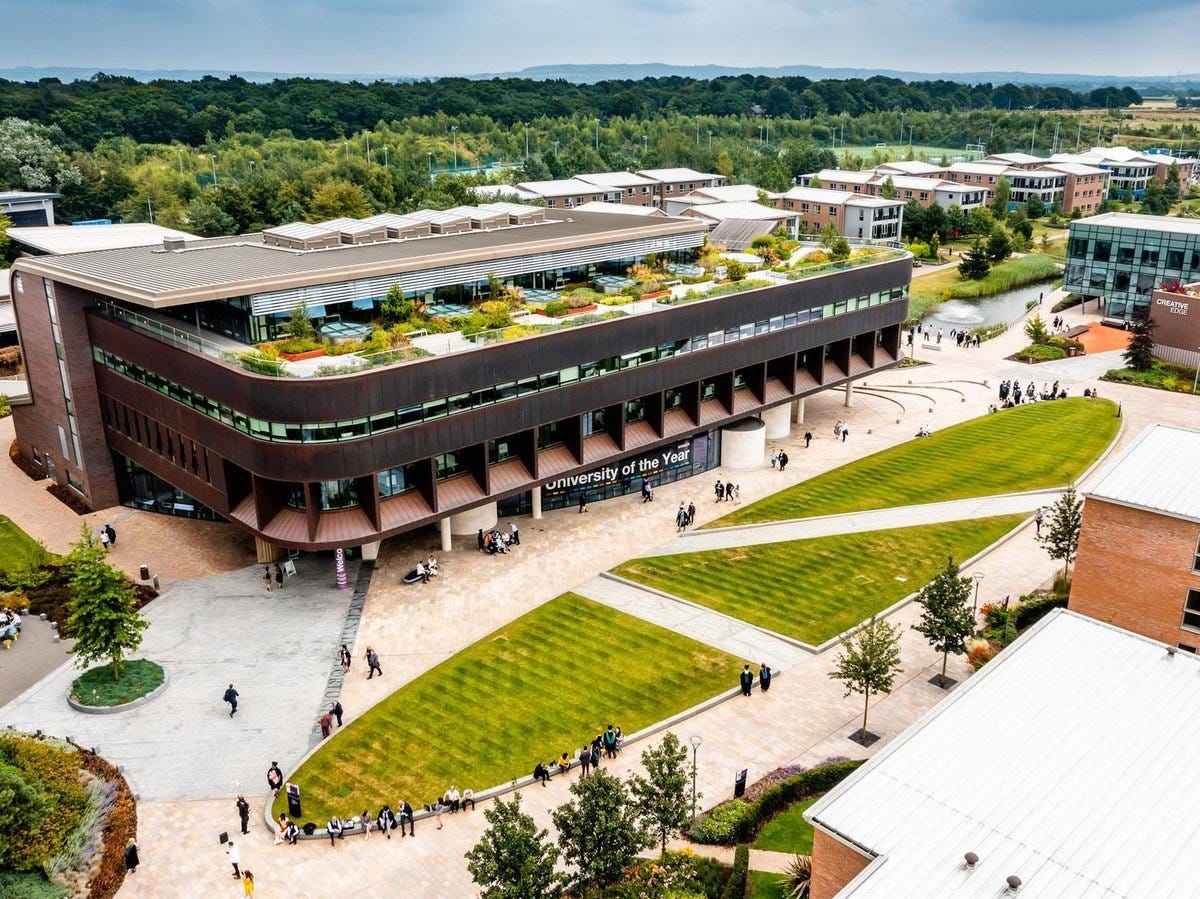
Worse still, in July the government having hiked student tuition fees to £9790 (with more to come in 27-28) then proceeded to cut by £50m the already much depleted strategic priorities grant for teaching with arts, humanities and nursing no longer supported by any public investment with effect from the 2026-27 academic year. The net result is that university courses are being cut, jobs are being lost, campuses closed and the terms and conditions of academic and professional staff are being undermined with prospective students who are not in a position to study away from home, facing less choice and fewer opportunities.
Unless the Burnham government is proactive in sorting out the mess which Labour inherited and has allowed to get much worse, the potential for Further Education (FE) and HE to collaborate will be compromised. No doubt the new Education Secretary and her Ministers will appreciate that modern universities are already ahead of the game in offering courses that combine academic and vocational knowledge and skills as well as degree apprenticeships. They are major contributors to teacher education and provide the graduates that underpin not only the infrastructure upon which public services depend, but also the infrastructure upon which regional economies and localities can be reinvigorated.
There are longer term challenges:-
tackling the over-burdensome, over bureaucratic and costly Office for Students (OfS)
rethinking the role of for-profit providers. They are often owned by private equity, and their students have been allowed to access taxpayer-provided student loans
tackling the failure of HE marketisation.
The task of rethinking the HE policy and funding agenda is not easy but there are voices and experience upon which Labour could rely. There are also some quick wins for the Department for Education (DfE) if there is the political will to be bold early on. Given the Prime Minister’s focus on regions and devolution including skills, the Starmer government’s decision to create Skills England should be reversed. There is no need for another skills quango and no reason to keep it on the books.
The DfE’s announcement that it would consult in the early autumn on student loan funding being withdrawn from students who don’t have certain prior qualifications should be set aside. As Professor Dave Phoenix, Vice-Chancellor of the Open University (OU) outlined in the Guardian, such a move would disadvantage the very students the OU has spent decades educating. The DfE should also have no truck with the levy of £925 per international student which the Starmer government had decreed should be imposed. The Home Office has already increased visa and other fees for international students at a time when, with the exception of the US, competition for the latter is increasing.
The OfS plans to use the Teaching Excellence Framework not as a means of improvement but as a tool of compliance should also be called in.
It would also cost nothing for the DfE to drop the Tory mantra (also perpetuated by Labour and the OfS) that low quality degrees are those linked to graduate salaries. It’s a nonsense that ignores regional inequalities in pay, the connections which are forged at Oxbridge leading to top jobs, family background that gives some graduates a head start in the jobs market, and the fact that graduates in the creative industries may take several years to reach their salary potential. The mantra is also causing a class divide to open around humanities, arts and social science degrees where institutions recruiting more working-class students are being forced to close courses. And of course, it ignores the fact that higher education provides non-monetised benefits to individuals, their families and local communities.
In higher education as in the rest of the education policy and funding agenda, there is much for the new Education Secretary and her Ministers to do. The prospect of a more exciting and inspirational education agenda should now be on the cards.